



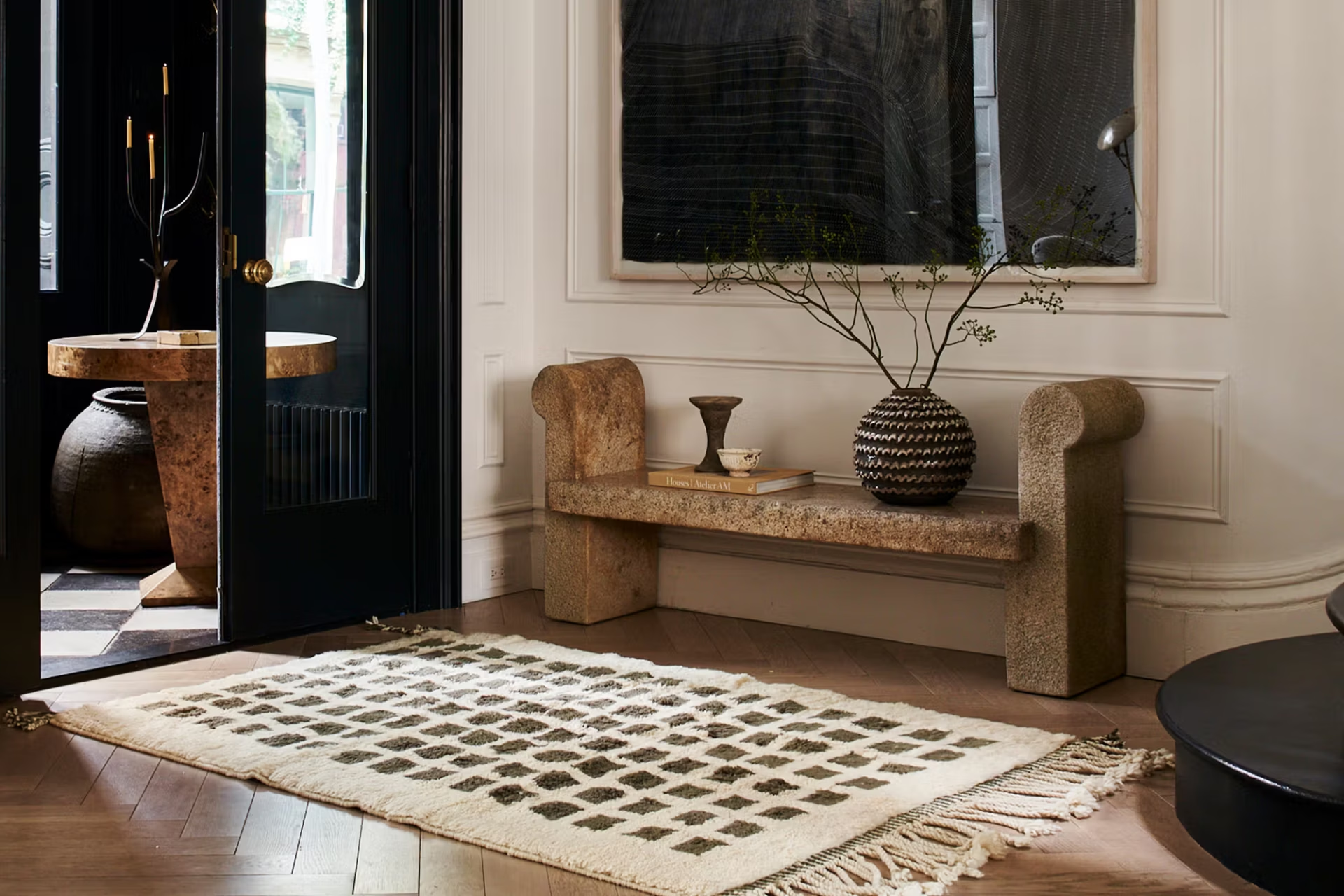
There is something inherently soul-stirring about a great rug. It is designed to anchor a room, help absorb the frantic energy of daily life, and offer a soft landing at the end of a long day. For design enthusiasts seeking spaces that tell a story, discovering an authentic piece rooted in genuine heritage can be a wonderful experience, bringing a unique warmth and character that aims to transform an interior.
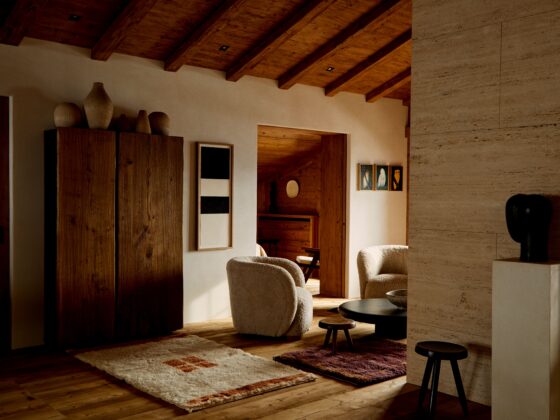
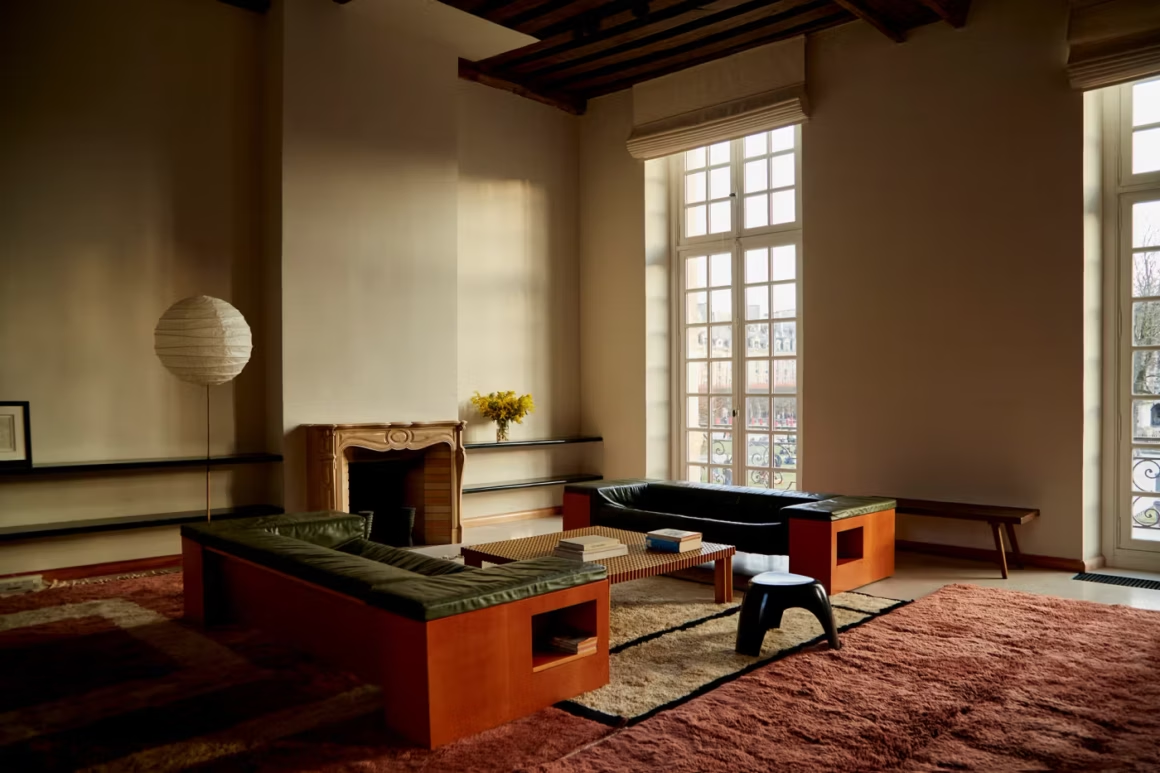
This deep appreciation for grounding, tactile craftsmanship has inspired an exciting evolution inside many thoughtfully curated spaces. Step into a home celebrated by modern architectural purists today, and you will frequently see how design-forward interiors lean on singular, large-scale textile installations. These custom creations function essentially as art pieces for the floor, with the goal of establishing both the acoustic and visual harmony of a room.
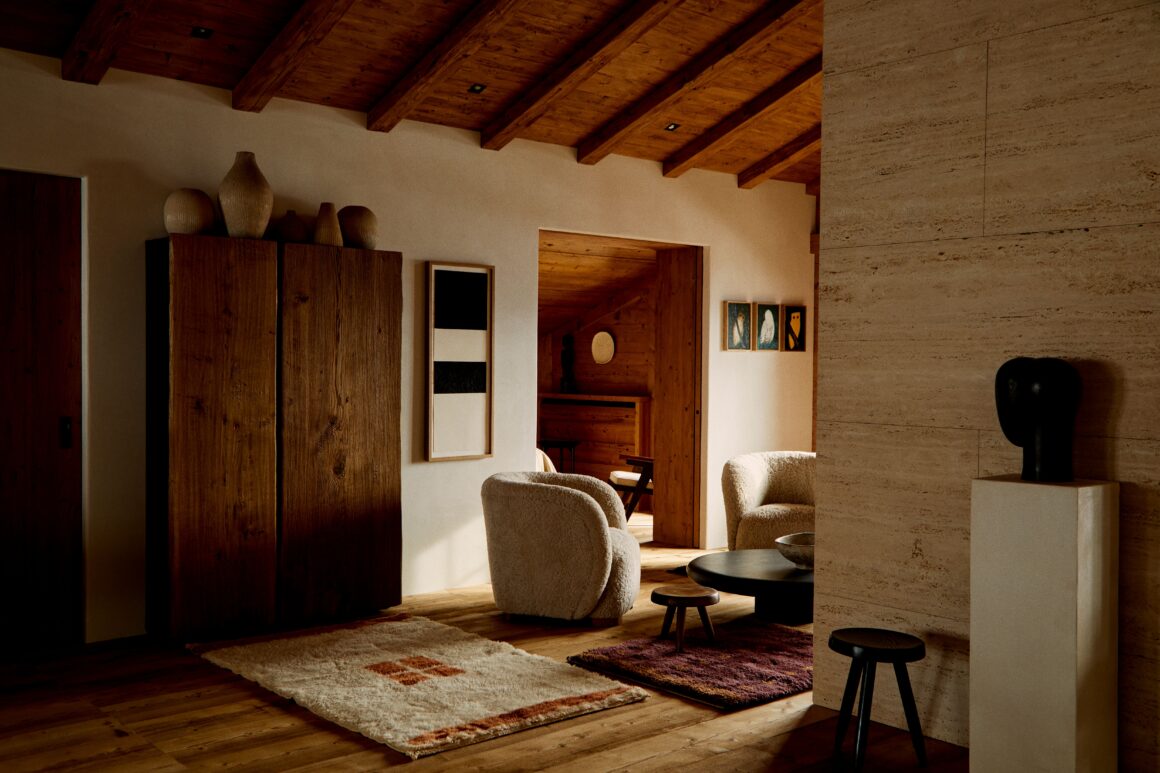
At the center of this dialogue between historic authenticity and contemporary minimalism is Beni Rugs. Founded with the vision of streamlining traditional Moroccan rug production into a collaborative, highly transparent model, the brand has established itself as an editorial favorite. By pairing ancestral weaving techniques passed down through generations with forward-looking geometric design sensibilities, they create bespoke, hand-knotted pieces that aim to serve as lasting design anchors for the modern home.
For those eager to define their living spaces with intentional, high-character textiles, exploring their specific design pillars offers an excellent blueprint for home curation.
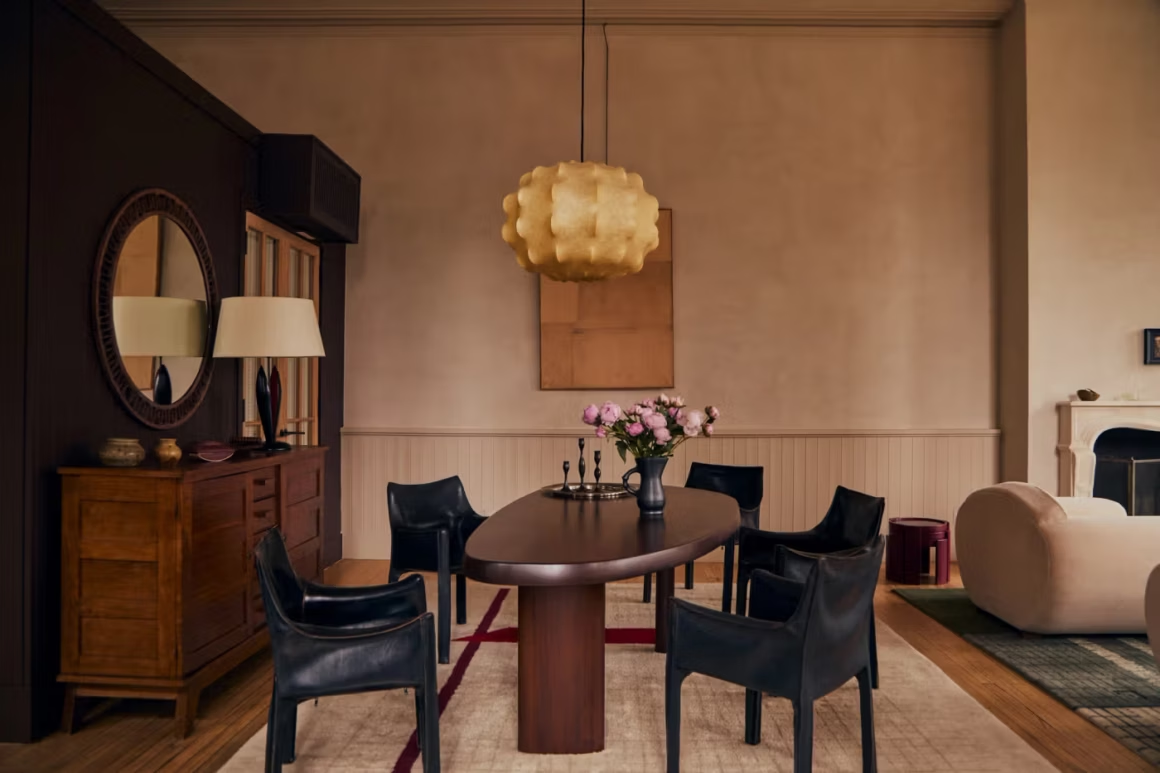
The Philosophy of Living Textures
Historically, traditional Moroccan Beni Ourain rugs were woven by Amazigh women to serve as practical beddings and wraps, utilizing thick pile and organic, asymmetrical diamonds that told deeply personal regional stories. The modern celebration of this craft seeks to translate that analog narrative for contemporary homes, honoring the fundamental soul of the artistic process.
Beni Rugs operates with the explicit goal of preserving the integrity of this 3,500-year-old weaving lineage while introducing a fresh grammar of scale and color. Rather than treating the rug as a mere decorative accessory, their design ethos celebrates the woolen pile as a three-dimensional canvas – one designed to respond dynamically to changing shadows, ambient light, and the physical movement of a household.
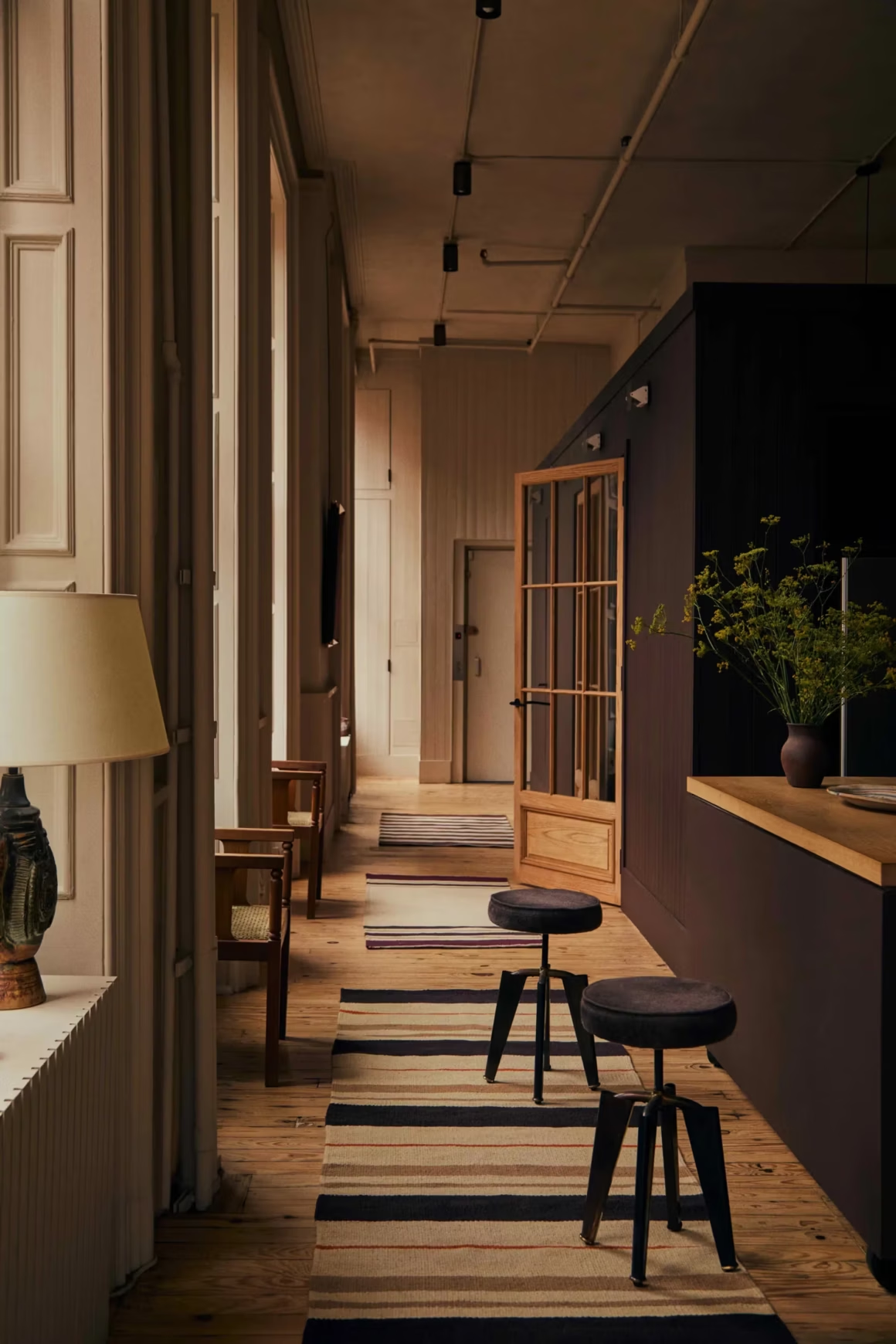
The foundation of each custom piece relies on careful ingredient sourcing and precise customization. Every rug is woven to order, allowing designers and collectors the flexibility to alter size, pattern scales, and tassel placements with the goal of perfectly integrating the piece within a room’s specific footprint.
1. The Saturated Canvas: Modern Geometric Expressions
Modern textile curation focuses heavily on striking a balance between bold artistic vision and understated elegance. The brand’s collections are designed to bring graphic clarity to fluid, tactile wool surfaces.
The Contemporary Collections: From their foundational classic linework to celebrated designer collaborations, the brand’s pattern language feels highly architectural. Rather than repeating traditional dense motifs, designs often utilize expanses of solid color punctuated by sharp, minimalist intersections, subtle grid arrays, or artistic perimeter detailing inspired by twentieth-century art movements.
The Precision of Color: Utilizing a highly selective palette dyed with non-toxic pigments, their custom pieces offer deep visual warmth. Whether choosing rich, earth-toned terracotta, deep mineral blues, or their signature un-dyed variations of cream and charcoal wool, the color profiles are designed with the intention to subtly shift throughout the day depending on your space’s natural light conditions.
Shop Custom Living Foundations on Beni Rugs
2. The Materiality: High-Altitude Wool and Structural Texture
For design enthusiasts, the sensory feel of a space is just as crucial as its visual layout. How a textile behaves underfoot defines the underlying comfort and welcoming atmosphere of a home.
The Atlas Mountain Wool: A core element of the brand’s tactile profile is the use of high-altitude wool sourced from the Atlas Mountains. Selected for its natural softness, durability, and rich lanolin content, the wool retains its organic character through a dedicated cleaning process. This material choice yields a plush, resilient pile that is engineered to age gracefully over years of daily use.
The Hybrid Weaving Methods: To create unique dimensional interest, certain collections deploy a combination of traditional hand-knotted plush pile and flatwoven wool techniques. This creates an explicit play on height and texture within the single canvas, allowing geometric patterns to subtly rise out of the flat weave, casting miniature shadows across the surface of the rug.
Shop Texture and Flatweaves on Beni Rugs
3. The Studio Ecosystem: Vertically Integrated Legacy
True luxury design is characterized by complete transparency and celebration of process. By bringing every stage of production under a single roof, the brand fosters a highly supportive and precise production model.
The Tameslouht Studio: Located just outside the vibrant center of Marrakech, the brand’s custom-designed weaving studio and headquarters in Tameslouht stands as a testament to modern craft architecture. Centered around fair trade certified values, the open, sun-washed space houses all stages of production—from the initial raw wool spinning and custom dyeing to the massive vertical wooden looms.
The Human Connection: At the core of the brand’s philosophy is an explicit commitment to elevating the artisan’s role. By providing stable, dignified wages, medical care, and a collaborative environment, master weavers are celebrated as true creative partners. Every custom rug carries not just a physical weight, but the artistic story and unique identity of the hand that knotted it.
Explore the Custom Design Studio on Beni Rugs
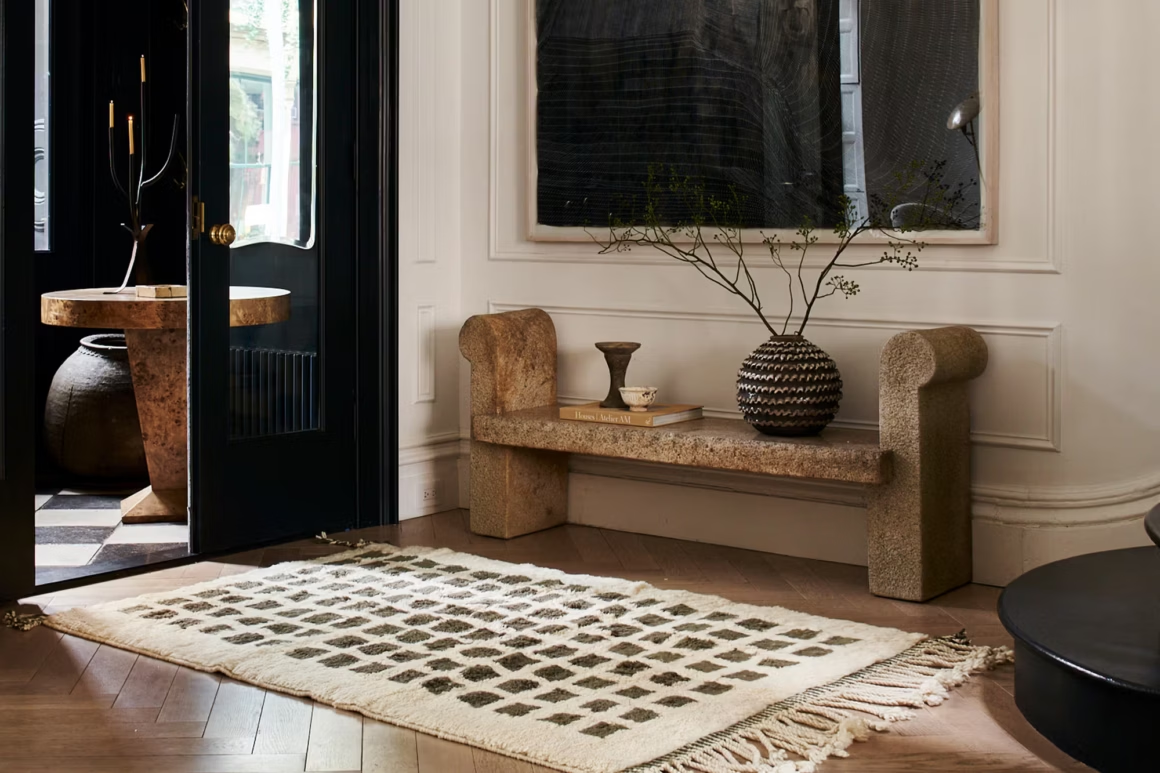
A Multi-Sensory Approach to Interiors
Investing in an intentional, hand-knotted textile does far more than cover a floor—it directly establishes the visual harmony and acoustic temperature of a room. By moving away from transient, mass-produced materials and focusing on a customizable, heritage-driven foundation, a living space gains a distinct architectural weight. It is a design choice that effortlessly tethers your furniture, grounding the frantic energy of daily life into a calm, structured sanctuary.
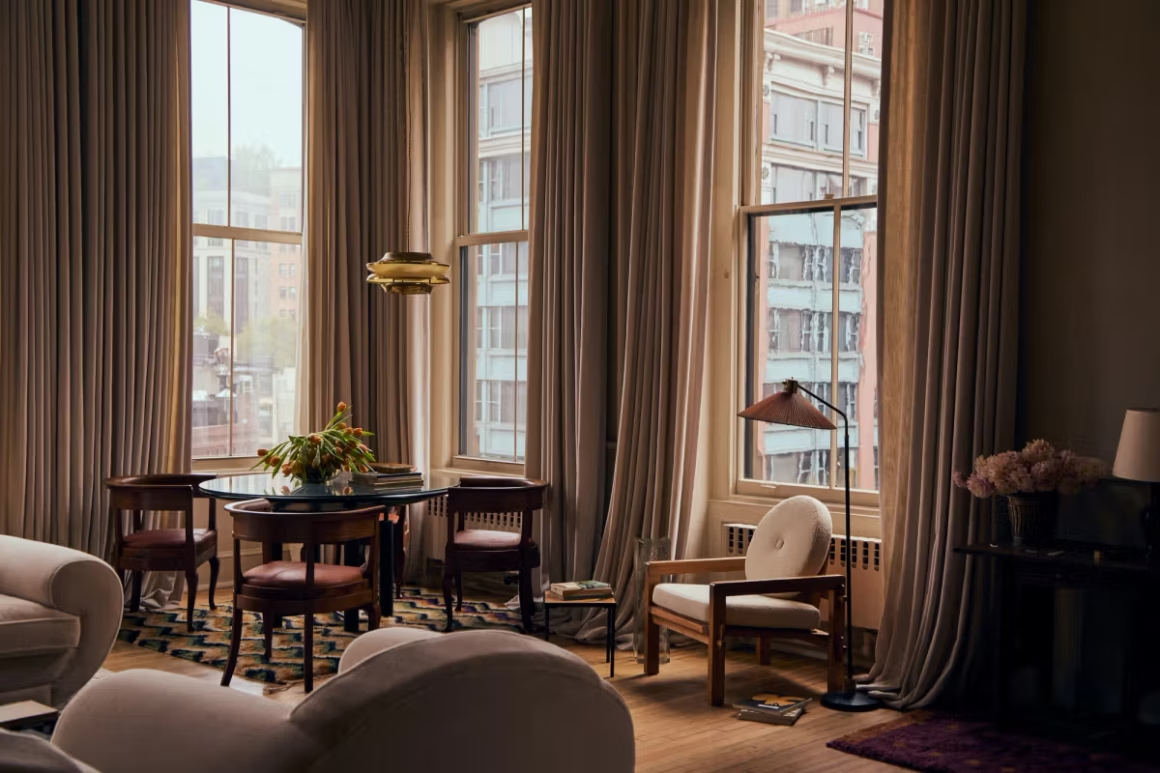
Ultimately, a well-appointed home is built from these exact types of thoughtful, high-conviction choices—selecting purposeful objects that balance rich historical utility with a striking, contemporary perspective. When you treat your environment as a carefully curated gallery of living textures, you create that elusive, soul-stirring “soft landing” designed to welcome you home across generations.
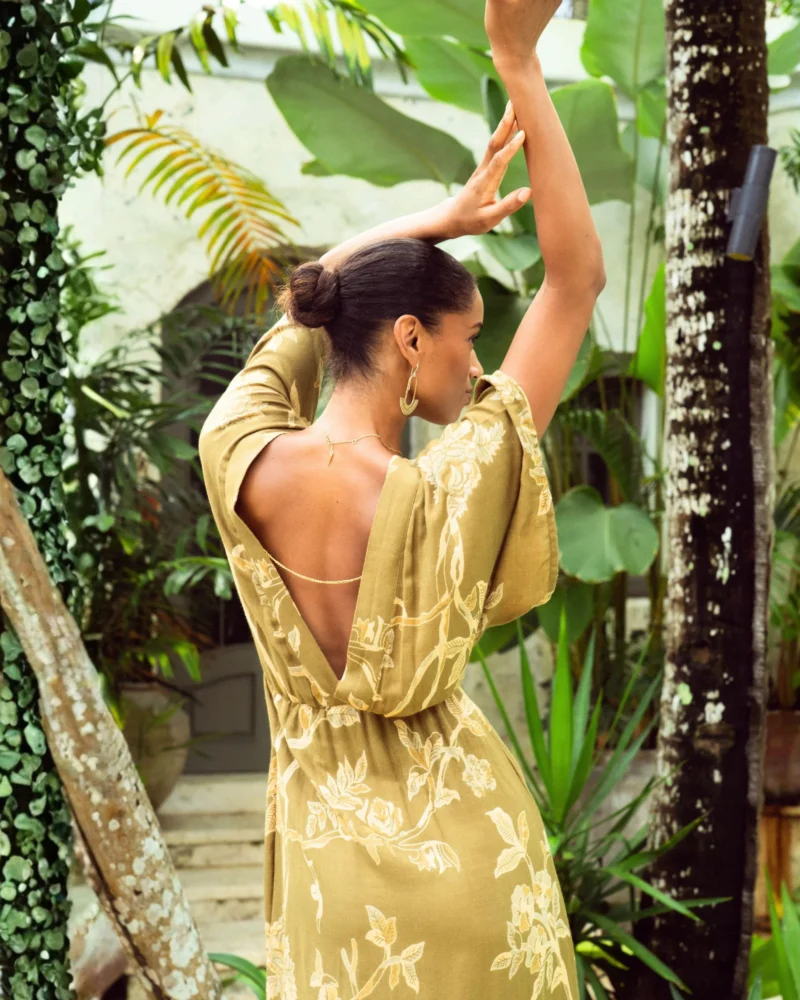
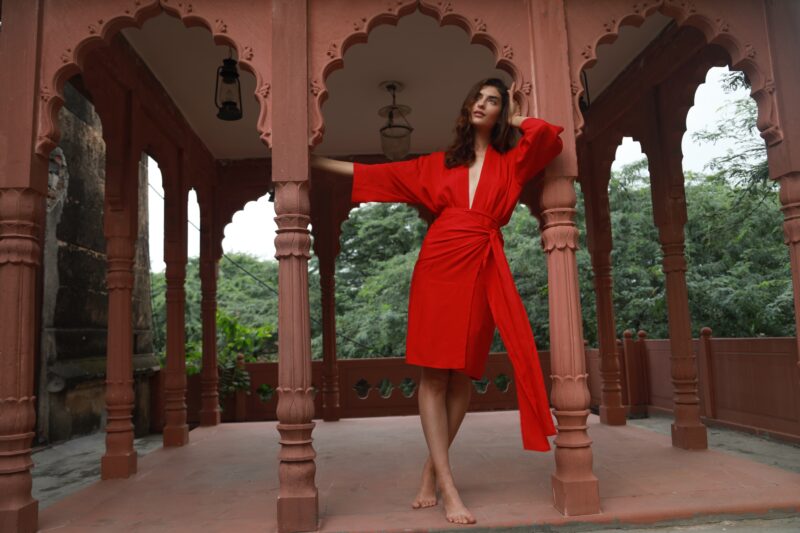
Of course, that deliberate pursuit of sensory luxury isn’t restricted merely to the physical foundations underfoot—it naturally informs the fluid garments we wrap ourselves in when relaxing within those very walls. Next week, our lifestyle lens shifts from the architectural, grounding wool textures of Marrakech to the vibrant, free-flowing drapes of the ultimate resort uniform. We will be diving into the bohemian elegance of Brahmaki. Join us as we look at how their consciously tailored Kaftans, robes, and EcoVero™ satin separates aim to bring a sense of weightless, artistic ease to both your global travels and your quiet at-home lounge rituals.
Until next time on Noted, by Izzie & Drew.